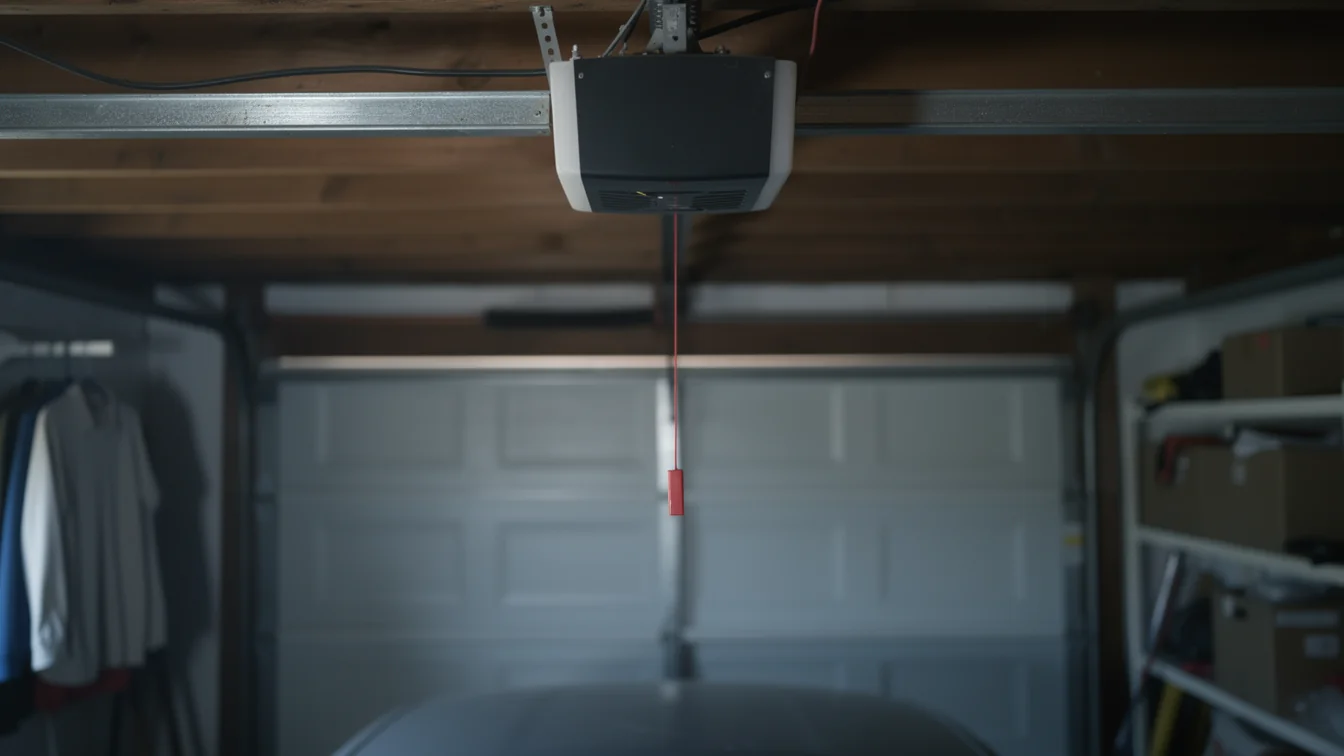
When the Power Goes Out, Your Opener Goes Quiet Too
How Greensboro's 1980s-era housing stock and cold-moderate winters affect garage door openers during power cuts, plus what to check before the next outage.
Read moreBlogGreensboro, NC · 4 min read
Most Greensboro homes date to the 1980s-90s, and cold-moderate winters strain original torsion springs. What breaks, when, and what to check before it fails.
Local detail
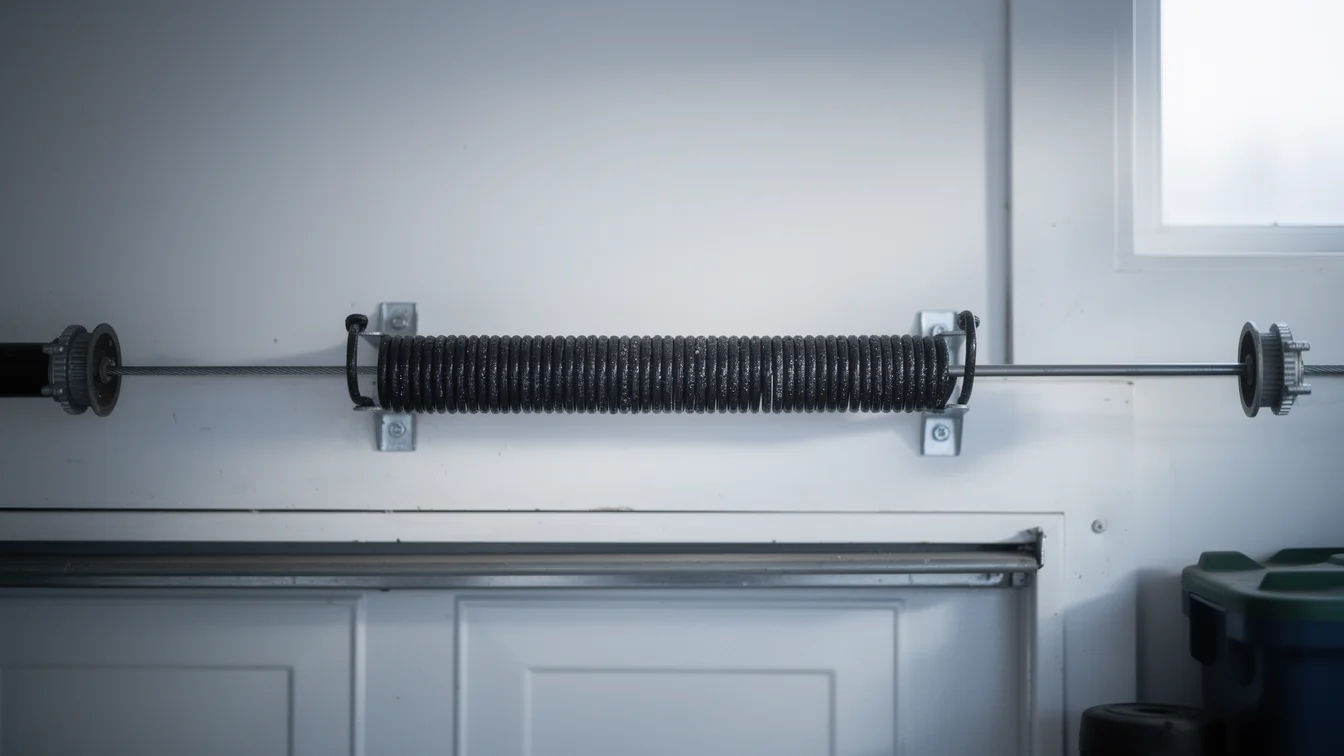
A torsion spring doesn't care that it's Tuesday. It cares about two things: how many times it's been wound and unwound, and how cold the steel is when it finally gives. In Greensboro, most houses went up between 1968 and 2002, with the median build year sitting around 1987. That means a big share of the springs on doors from Guilford Hills to Starmount Forest to the Hewitt Area are either original or one replacement removed from original. A spring from 1987 has had decades of winters to fatigue, and steel that's already near the end of its coil count doesn't need much of a cold snap to snap.
Across the nineteen named areas this company covers, the stock is still mostly 1980s and 90s construction. That era used torsion springs sized for the doors and openers of the time, and a lot of those parts are still in service, just older and colder than they were the day they went up. Downtown and New Irving Park properties skew the same way. This isn't a problem unique to one street - it's a function of when the subdivisions were built, and that's a fact about the housing stock, not a guess.
The area
Greensboro sits in a cold-moderate climate band, which means winter isn't brutal but it isn't mild either - real swings between a warm afternoon and a hard overnight freeze, repeated through the season. That swing matters more to a spring than a steady cold would. Steel contracts when it drops in temperature, and a spring that's already lost some tensile give from age has less room to flex before a coil cracks.
Late fall is when you start to notice it: the door that opened smooth in September starts to groan or hesitate by November. Mid-winter is when springs actually break - usually on the first hard cold morning after a few days of extreme highs and lows back to back. By late winter, a spring that survived the big swings is usually fine until next year, but a hairline crack from January can finish the job in February instead.
This pattern repeats every year in a cold-moderate band. It's not a once-in-a-decade event; it's a seasonal stress that older torsion springs built in the 1980s and 90s are already working against before the first freeze even hits.
What we find
Look at the spring itself, not just the door. A gap between coils that wasn't there before, a coil that looks stretched or uneven, or a spring that's visibly rusted at a bend point are all signs it's closer to the end than the middle. Listen for a loud bang from the garage on a cold morning - that's often the sound of a spring letting go, not an opener issue.
Check how the door moves by hand with the opener disconnected. A door that's hard to lift, or that drops fast instead of staying put halfway, is telling you the spring has lost tension. That's different from a worn cable or a bent track, so don't assume - a spring problem and a track problem look similar from across the garage but aren't the same repair.
One honest limitation: we can't tell you over the phone whether a specific spring is original to a 1987 build or a later swap, and the right replacement depends on the door's weight and wind load, not just its age. A spring that looks fine in July can fail in January anyway. If a door on a cold morning won't move at all and you hear or see a broken coil, don't force it with the opener - that's a call, not a DIY fix.
How we work
The combination here is specific: housing built mostly between 1968 and 2002, a median year of 1987, and a climate band that swings enough each winter to stress metal that's already decades into its working life. That's not true of every town - it's true of this one because of when the subdivisions went up and where Greensboro sits on the cold-moderate line.
It also means the problem doesn't stay in one neighborhood. Areas closer to the center, like Downtown or New Irving Park, have the same era of construction as outlying communities eight to twenty miles out - Summerfield, Jamestown, Pleasant Garden, Oak Ridge, and further toward Stokesdale and Kernersville. The build era is the common thread, not the distance from the center of town. A spring doesn't know whether it's two miles out or twenty; it only knows its age and the temperature it woke up to.
Questions
Steel contracts as it cools, and a spring that's already fatigued from years of cycling has less flex left to absorb that contraction. In a cold-moderate climate like Greensboro's, the real damage comes from repeated swings between warm days and hard overnight freezes, not from one long cold stretch.
If your home was built in the 1980s or 90s, which covers a lot of Greensboro's housing stock, it's possible the spring is original or close to it. We can't confirm that without looking at the door and the hardware in person - age alone doesn't tell the whole story.
Not if it's already showing gaps between coils or rust at a bend. A spring that's close to failing in January doesn't usually improve by March - it's more likely to let go on the next cold morning. Waiting out the season is a real risk, not a delay tactic.
Recommendation
More garage door guides for Greensboro homeowners.
How Greensboro's 1980s-era housing stock and cold-moderate winters affect garage door openers during power cuts, plus what to check before the next outage.
Read more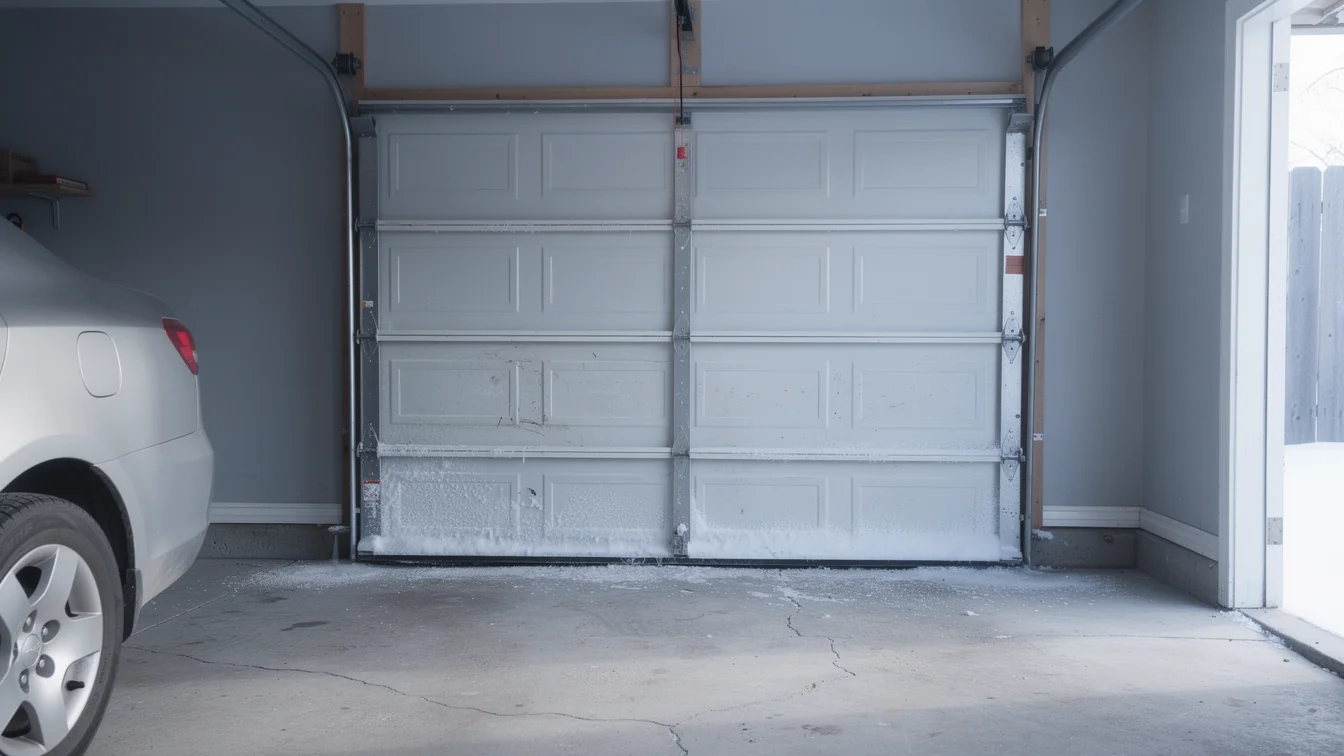
Many Greensboro homes went up between 1968 and 2002, before stricter insulation codes.
Read more
A look at what a Greensboro garage door service call checks, from 1980s-era torsion springs to cold-snap hardware across Guilford Hills to Starmount Forest.
Read moreReady when you are
Greensboro Garage Door Pros repairs and installs garage doors, springs and openers in Greensboro, NC and the surrounding area.