
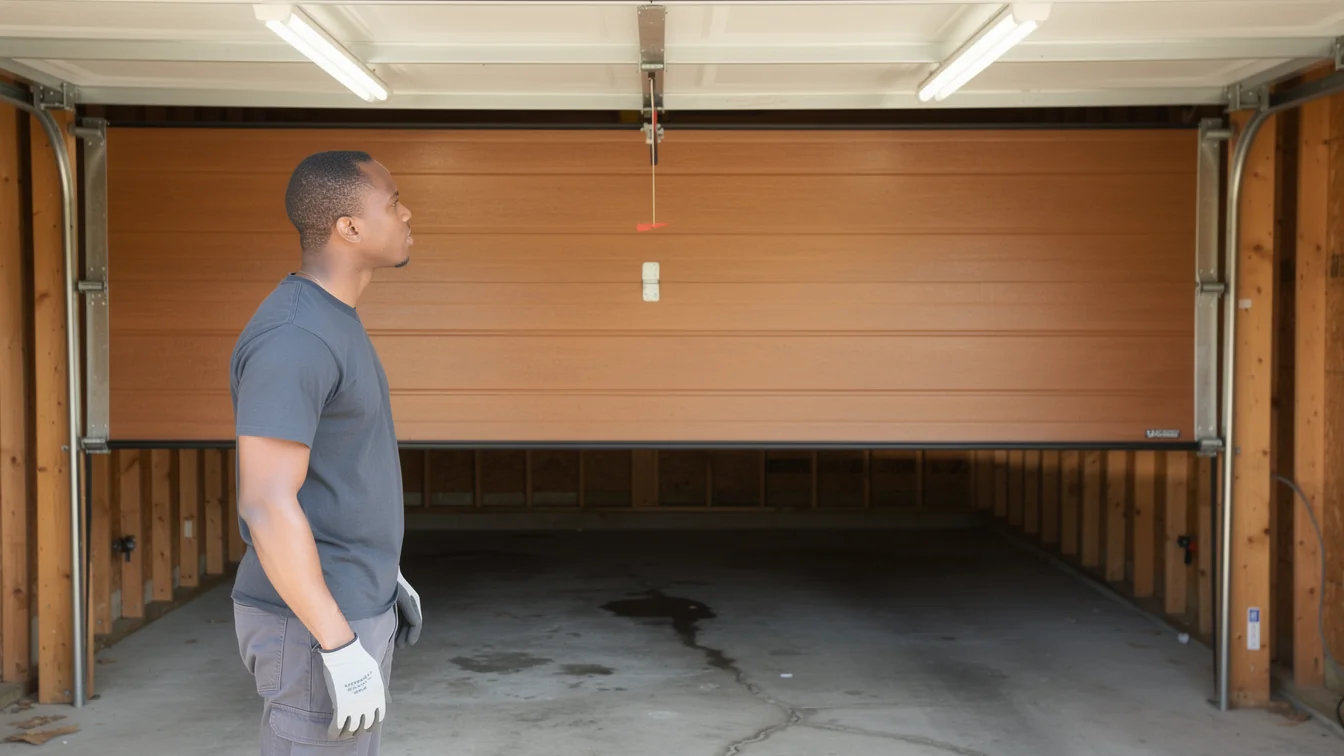
What That Sound From Your Garage Door Is Actually Telling You
Greensboro homes built mostly between 1968 and 2002 carry original hardware aging out together.
Read moreBlogGreensboro, NC · 5 min read
Greensboro homes built mostly between 1968 and 2002 usually have garage doors worth repairing, not replacing outright. Here's how to judge yours first.
Local detail
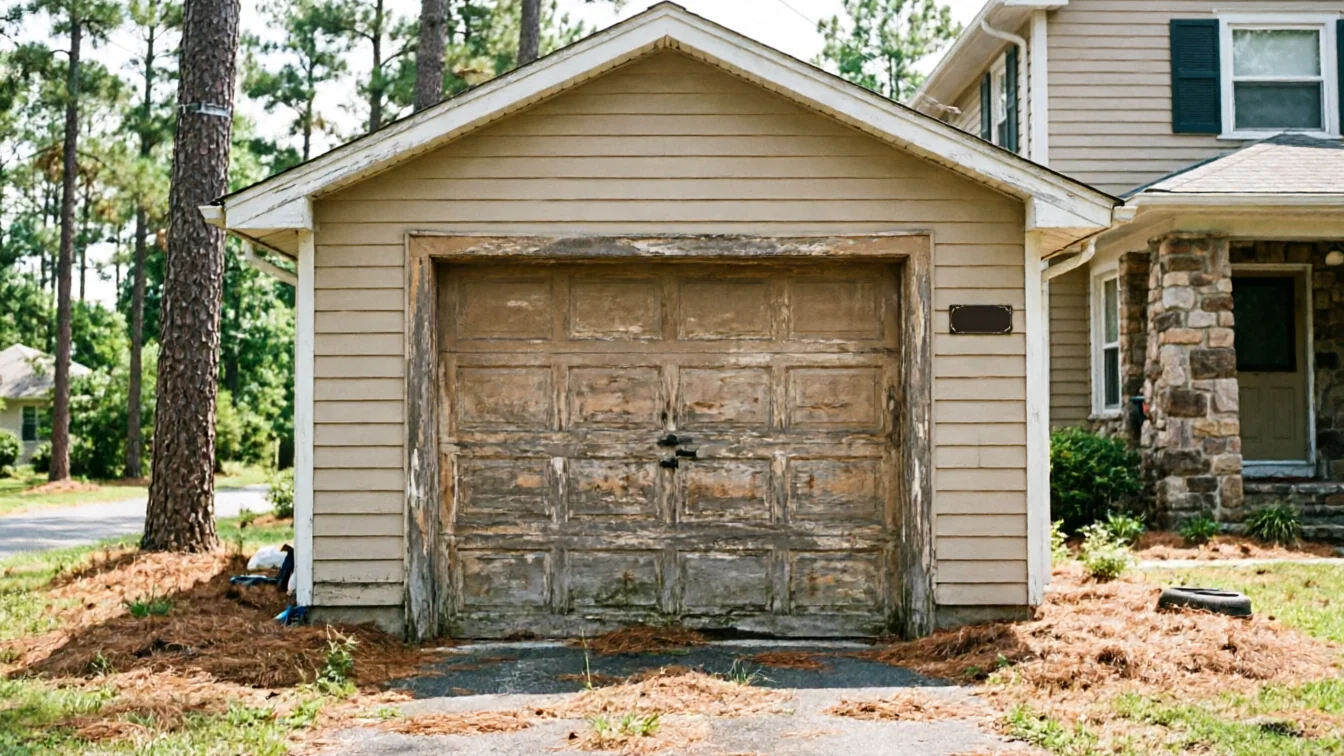
Across this service area, from Summerfield and Jamestown down through Pleasant Garden and into Downtown and the Hewitt Area, most of the housing stock went up between 1968 and 2002, with the typical home dating to 1987. That matters for garage doors because a door installed when the house was built, or a reasonably close replacement, is now somewhere between 20 and 55 years old. Across the 19 named communities here, the dominant stock is 1980s and 90s construction, which means a lot of steel sectional doors on extension or torsion springs that were standard for that era and still available in parts, even if the exact panel style isn't made new anymore. With 30,974 owner-occupied houses in this service area, that's a large number of doors sitting in the same boat: old enough to show wear, not so old that the whole unit is obsolete. The question most owners actually face isn't 'repair or replace' in the abstract. It's whether the specific door in front of them, given its age bracket, still has working parts worth keeping. At a median household income of $79,585, most owners here can afford to make that call deliberately rather than being forced into a full replacement by a part nobody stocks.
The area
This area sits in a cold-moderate climate band, which isn't the deep-freeze stress you'd see further north, but it's not nothing either. Through the colder stretch of the year, steel contracts, lubricant thickens, and a torsion spring that's been fine all summer can start binding or snapping under the added resistance. A door from the 1980s or 90s stock common here often still has its original springs if nobody's touched it, and those are the parts most likely to fail on a cold morning when the metal is stiff and the opener has to work harder to pull it. Warmer months bring the opposite problem: humidity swelling wood jambs on older frame-mount setups and expanding weatherstripping that can bind a track that was already slightly out of alignment. Neither extreme is dramatic in a cold-moderate zone, but the freeze-thaw cycling adds up year over year on a door that's already 20, 30, or 40 years into its service life. That slow cycling, more than any single storm, is usually what finally puts an old spring or a worn roller over the edge. It's worth checking hardware before the temperature swings hit hardest, not after.
What we find
Start with the springs. If the door is original to a house built in the 1980s or 90s, the torsion spring has likely been cycled tens of thousands of times and is near or past its rated life, even if it looks fine. Rust pitting or a visible gap in the coils when the door is down means it's close to done. Next, the tracks: bent or dented sections cause binding long before they cause a visible jam, and on a door this age, a track replacement is often cheaper than you'd expect compared to a full unit. Check the panels themselves for rust-through at the bottom, especially on doors that sit low to a driveway that gets salted or just stays damp. Rollers are easy to judge by sound; a grinding or clunking roller on a 30-plus-year-old door is usually nylon that's worn through to the bearing. Cables fraying near the drum are a stop-everything issue, not a maintenance item. None of this requires guessing at the door's age if you know it was installed with a house from this build era; it tells you which parts are due. A door with a solid steel shell and failing hardware is almost always worth fixing. A door with rusted-through panels usually isn't.
How we work
The combination that matters here is specific: a cold-moderate climate layered onto a housing stock that skews 1980s and 90s, with plenty of original equipment still in place. That pairing means the failures we see aren't dramatic storm damage, they're slow fatigue failures, a spring that's cycled past its life, a roller that's worn down from decades of use, a track that's shifted slightly out of plumb as the house settled. None of that shows up overnight, and none of it means the door itself is bad. A steel door shell from that era, if it hasn't rusted through, is often a better-built unit than some of what's sold today, and keeping it running is usually the cheaper and faster call. Where it stops being worth it is when the shell itself has failed, not just the hardware, or when a homeowner wants features the original door was never built with, like better insulation for the colder stretch of the year. One honest limit: we can't always get an exact match for an older panel style, since manufacturers change profiles over the decades, and a mismatched replacement panel on an otherwise good door is sometimes the wrong trade-off. In that case, full replacement is the straighter answer.
Questions
If your house was built in the era common across this service area, the 1980s or 90s, and nobody has mentioned a spring replacement, there's a good chance the springs are original or close to it. Visible rust in the coils, gaps when the door is down, or a door that feels unusually heavy to lift by hand are signs it's near the end of its rated cycles.
Yes, when the steel shell itself has rusted through or the panel style is discontinued and a mismatched replacement panel would look wrong next to the rest of the door. If the shell is sound and it's just springs, rollers, or a bent track section, repair is almost always the cheaper route.
This area sits in a cold-moderate band, so it's not the harshest freeze-thaw cycling you'd see further north, but the seasonal swings still stiffen steel and thicken lubricant in winter and swell wood and weatherstripping in summer. On a door that's decades old, that repeated cycling is usually what finally takes out a tired spring or roller.
Recommendation
More garage door guides for Greensboro homeowners.
Greensboro homes built mostly between 1968 and 2002 carry original hardware aging out together.
Read more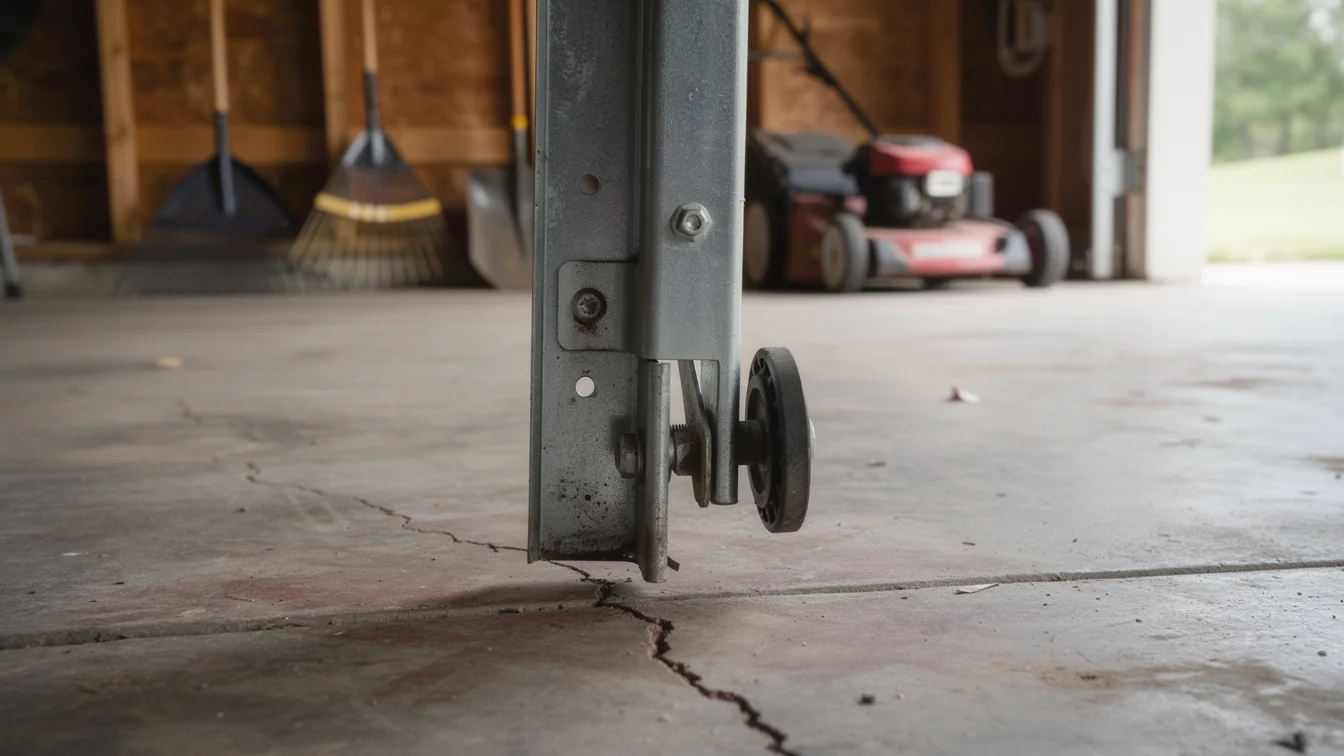
Greensboro homes built mostly between 1968 and 2002 carry original track hardware that struggles in cold, humid swings.
Read more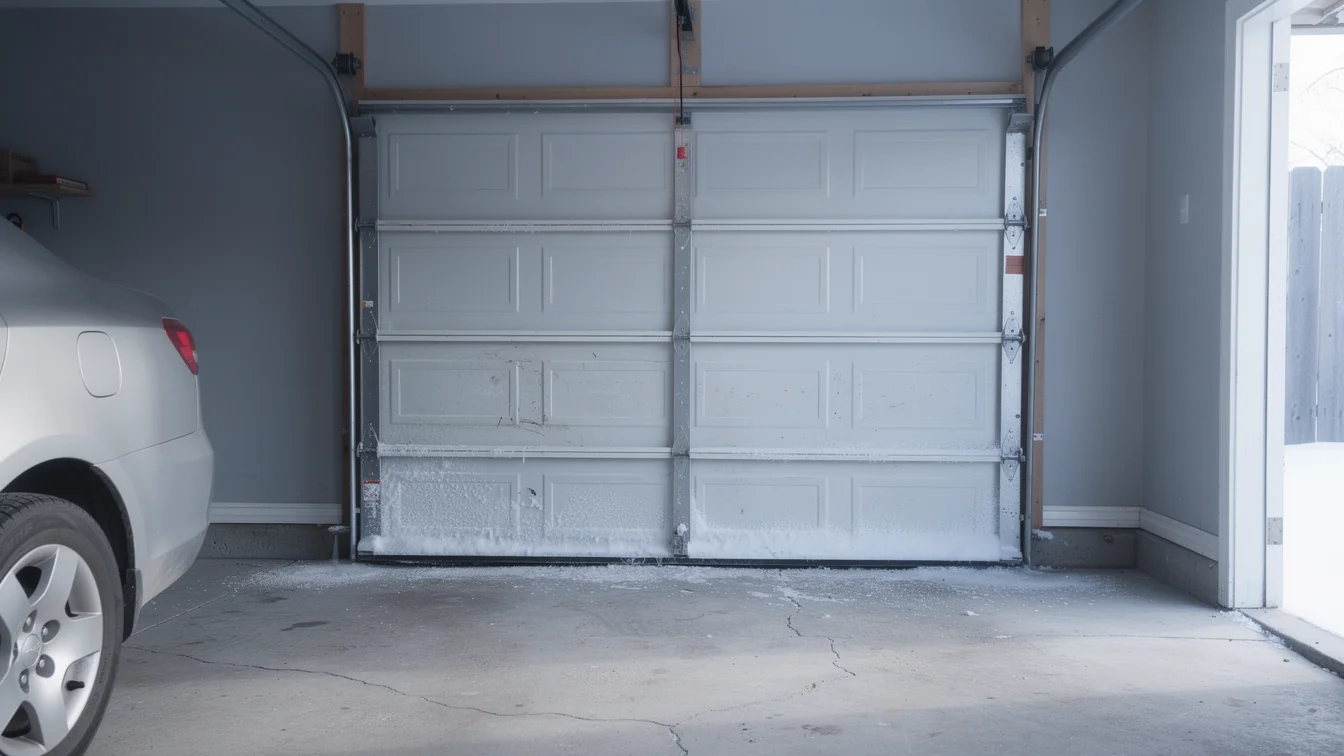
Many Greensboro homes went up between 1968 and 2002, before stricter insulation codes.
Read moreReady when you are
Greensboro Garage Door Pros repairs and installs garage doors, springs and openers in Greensboro, NC and the surrounding area.