
Earlier framing complicates
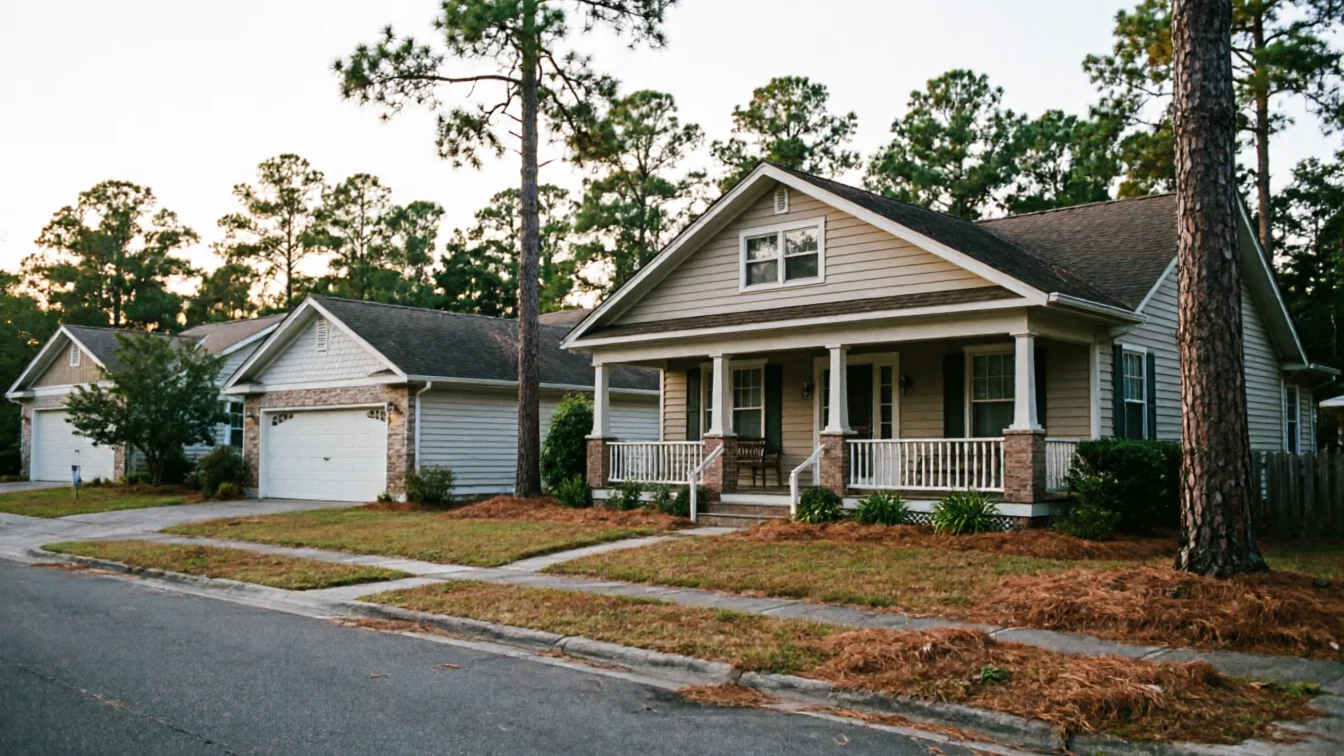
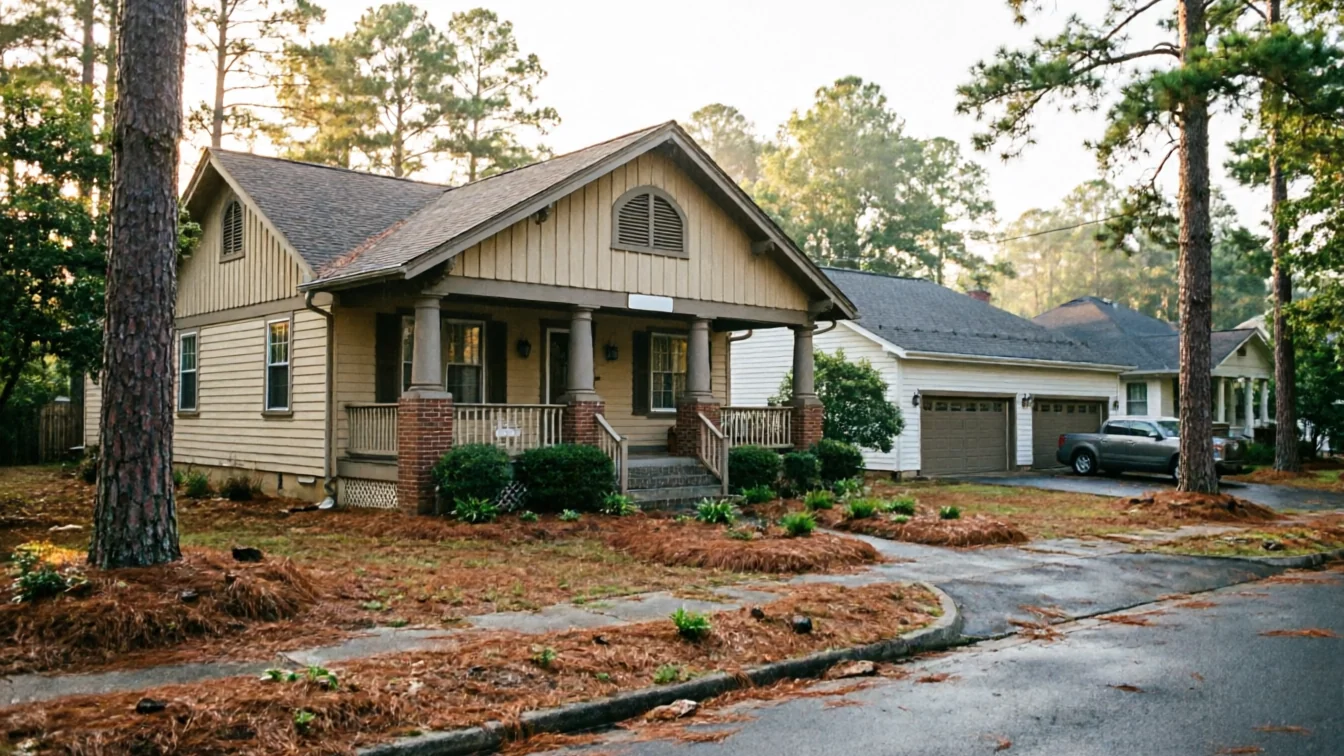
Pleasant Garden complicates that timeline more than you'd expect for a town this size. The median home here was built in 1979, a good eight years ahead of the median across the wider service area, which runs 1968 to 2002.
Pleasant Garden, Greensboro
Pleasant Garden homes mostly date to 1979, older than the surrounding service area. We install garage doors sized for that era's framing, traveling out from Greensboro.
Timing
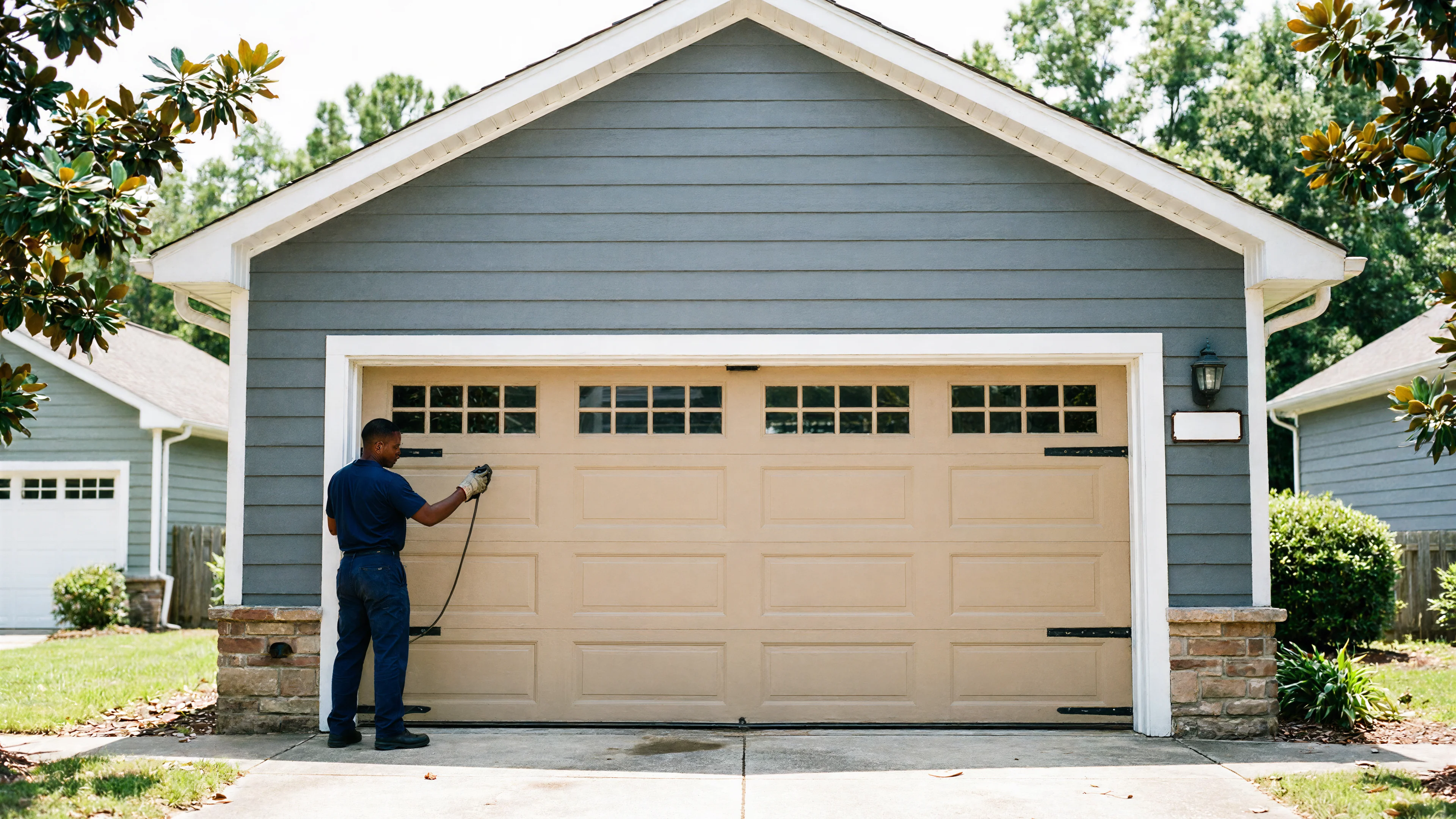
A straight swap on an opening that's already framed correctly usually runs a half day to a full day once the door and opener are on the truck.
Pleasant Garden complicates that timeline more than you'd expect for a town this size. The median home here was built in 1979, a good eight years ahead of the median across the wider service area, which runs 1968 to 2002.
That earlier build date means more of these openings were framed before double-car garages became standard, and we routinely find jambs that need shimming or headers that need a bracket added before a new door will hang square. Budget extra time for that step rather than being surprised by it mid-install.
We travel the 11 miles out from Greensboro for every job here, so we schedule the full install in one visit rather than splitting a measure trip and an install trip. That's worth knowing if you're trying to pin down a date - we're not working from a local branch, we're coming from Greensboro with the door already built to your opening's measurements.
Local causes
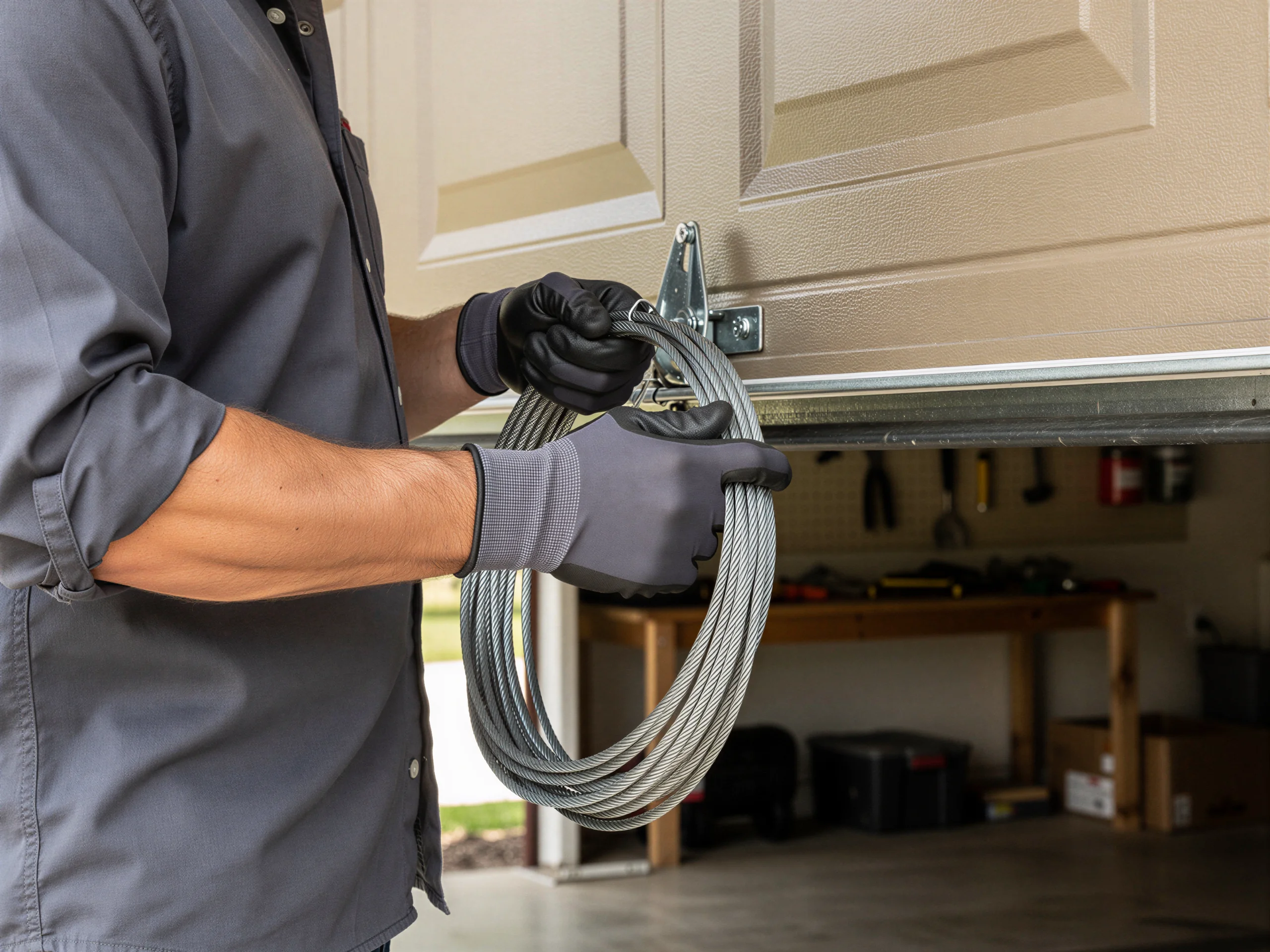
Doors in Pleasant Garden fail for a reason tied to when the house went up. A 1979 build almost always means a single-layer steel door with no polystyrene or polyurethane backing, hung on hardware sized for the lighter loads builders used before insulated doors became common. Thirty-plus years of that steel flexing in a cold-moderate climate band works the same stress points: the bottom panel bows first, hinges elongate their screw holes, and the torsion spring - rated for the original door's weight, not a heavier replacement - starts leaving play in the cable.
If your opener has been struggling the last year or two, it's often not the opener. It's a spring and door built for 1979 loads trying to lift a door's worth of sag it was never engineered to carry.
DIY or pro
Swapping panels or re-hanging a door on original 1979 track is not a weekend project we'd encourage. The spring is under enough tension to do real damage if it lets go while you're working near it, and that risk doesn't change based on how handy you are. Where a homeowner can reasonably do their own work: weatherstripping, tightening loose hinge screws, lubricating rollers, and swapping a remote or keypad battery. Anything involving the spring, the cable drum, or removing the old door from its track is where we'd tell you to call instead of improvise.
The repair
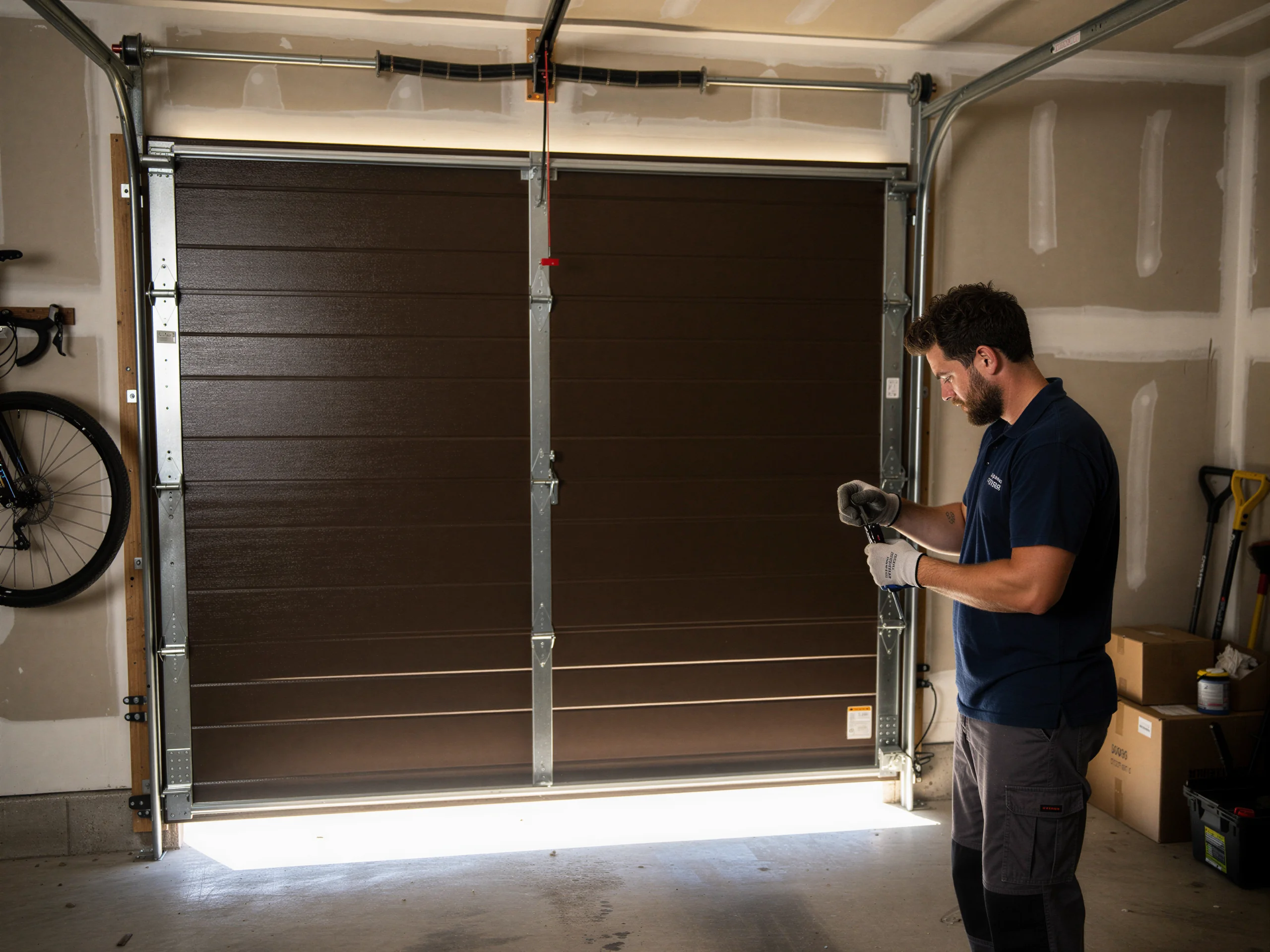
A full install starts with pulling the old door and track, then checking whether the opening itself needs correction - common on houses from this era where the jamb has settled slightly over four decades.
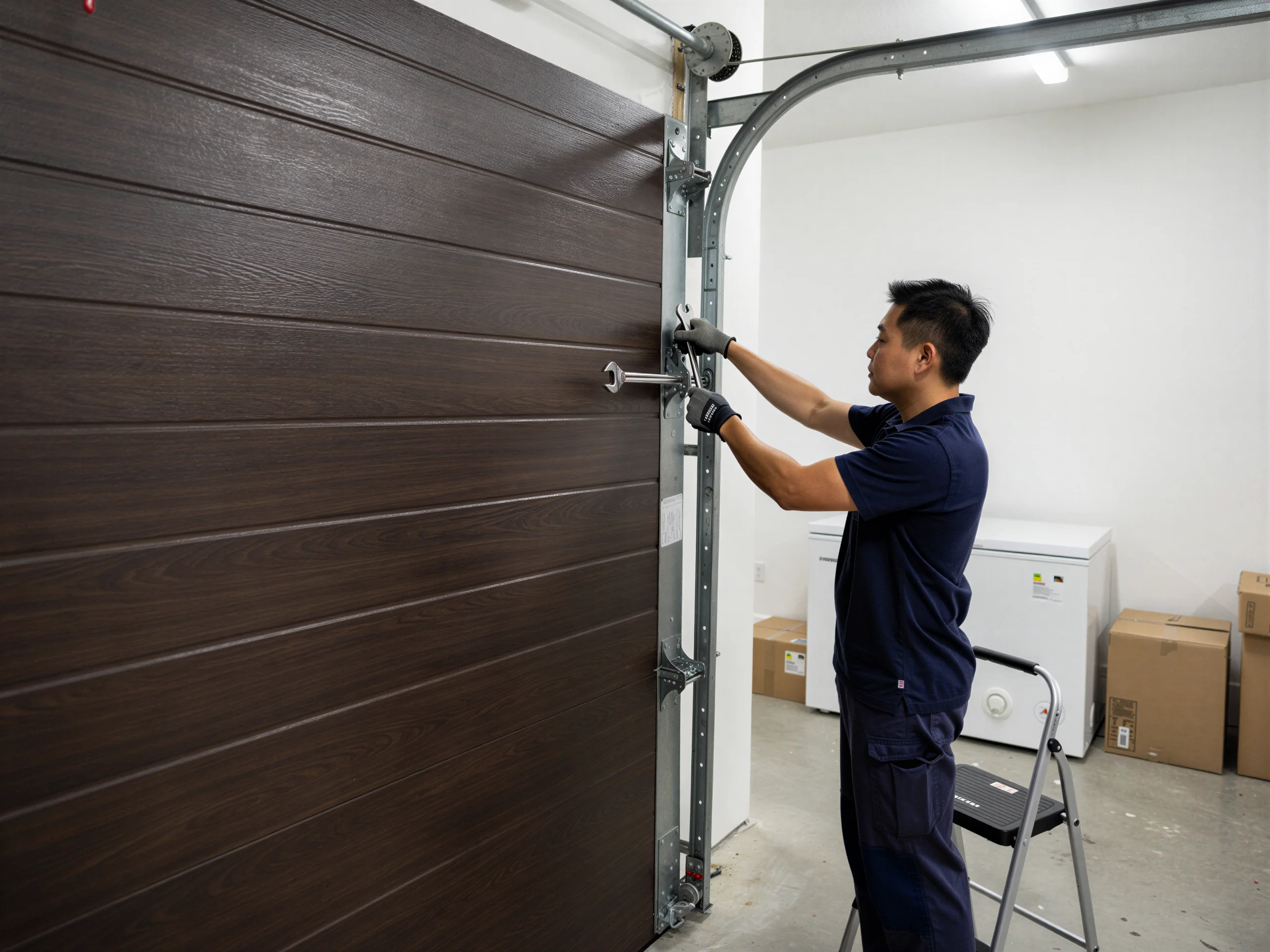
We set new track, size the torsion spring to the actual weight of the door going in rather than reusing the old spring's rating, and mount the opener to match.
For insulated doors, which we'd recommend given the cold-moderate climate here, we also check that the header has room for the thicker panel stack; some 1979 framing is tight on that clearance and needs a small adjustment.
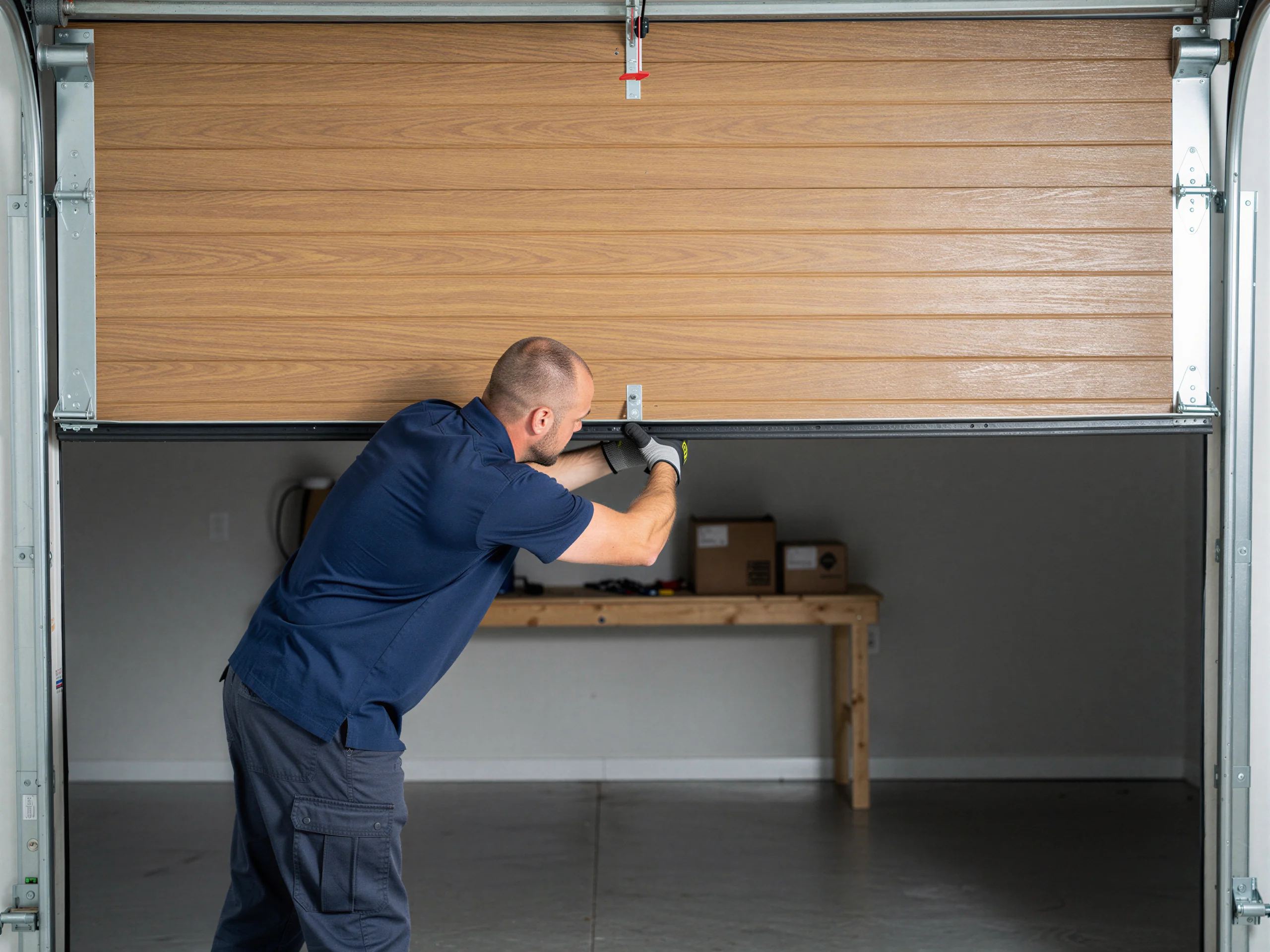
We test full-cycle operation, balance the spring so the door holds position at any height without the opener motor straining, and set the safety reverse before we leave.
Watch-outs
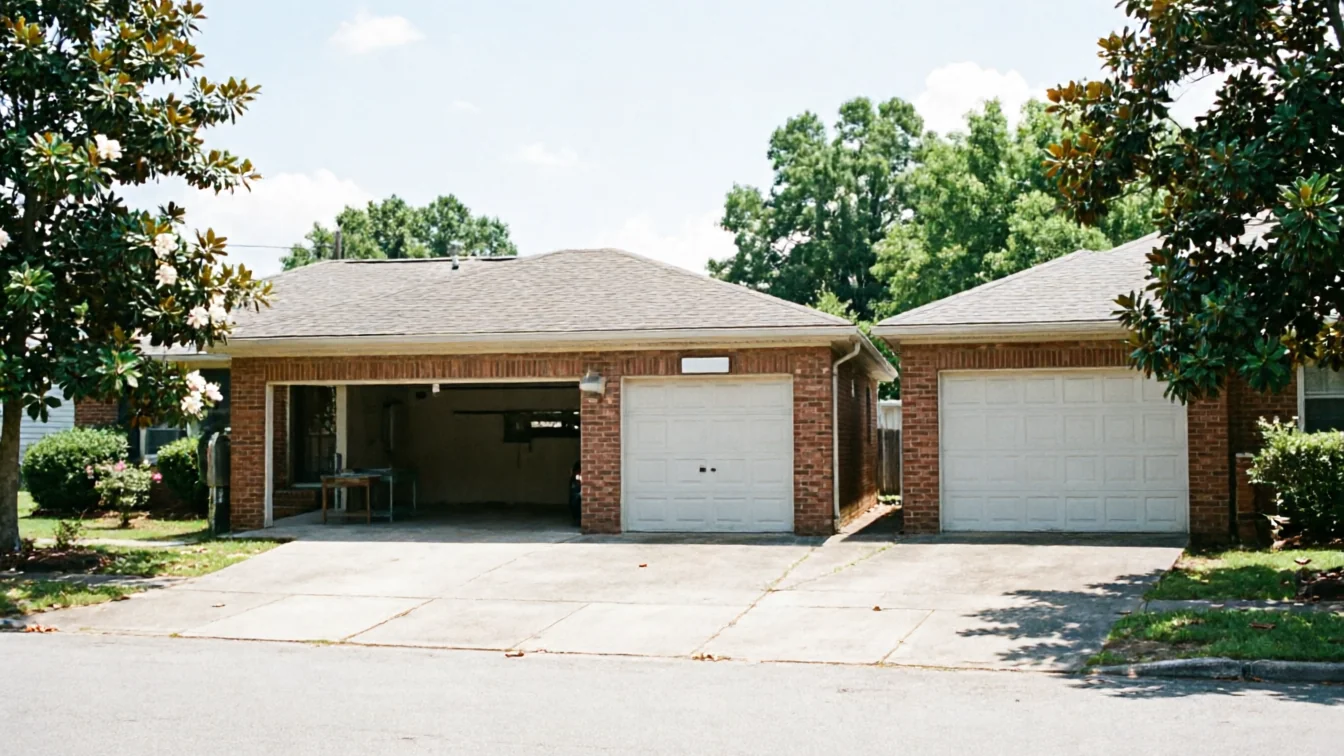
The complication specific to Pleasant Garden is the framing, not the weather or the wiring. Houses built around 1979 were, in a lot of cases, built before double-wide openings and heavier insulated doors were the default, so the header and jambs weren't sized for today's standard door weights. We've opened up installs where the header needed reinforcing before a new door could hang without sagging at the top corners within a year. That's an added cost we won't know until we're standing in your garage, which is why a phone quote on an older opening here is always a rough number, not a final one. The honest limitation: if the framing needs structural work beyond a shim or bracket, that's a carpentry job outside what a door install covers, and we'll tell you to get that handled first rather than install over it.
Pricing
We don't have a flat number to quote blind, since the framing correction common on 1979-era openings changes the job more than the door choice does. What we can tell you: Pleasant Garden's median household income runs higher than much of the surrounding service area at $88,482, and most of what we install here are mid-tier insulated steel doors rather than bare economy models, simply because they hold up better against the cold-moderate swings this area gets. Expect the door and opener to be the baseline cost, with any header or jamb work added on top if your opening needs it.
Questions
No. We're based in Greensboro and drive out the 11 miles to Pleasant Garden for every job, full install included in that one trip. There's no local depot here, just a crew and a truck coming from Greensboro with your door already built to measurement.
Openings framed around 1979 often predate today's heavier insulated doors, so headers and jambs sometimes need shimming or reinforcing before a new door hangs square. We can't see that until we're in your garage, which is why older openings here usually get a range instead of a flat number up front.
Given the cold-moderate climate this area sits in, most homeowners here do choose an insulated steel door over a bare single-layer one. It costs more up front but handles the seasonal swings better and keeps the garage itself more stable through winter.
Explore more
Ready when you are
Greensboro Garage Door Pros repairs and installs garage doors, springs and openers in Greensboro, NC and the surrounding area.