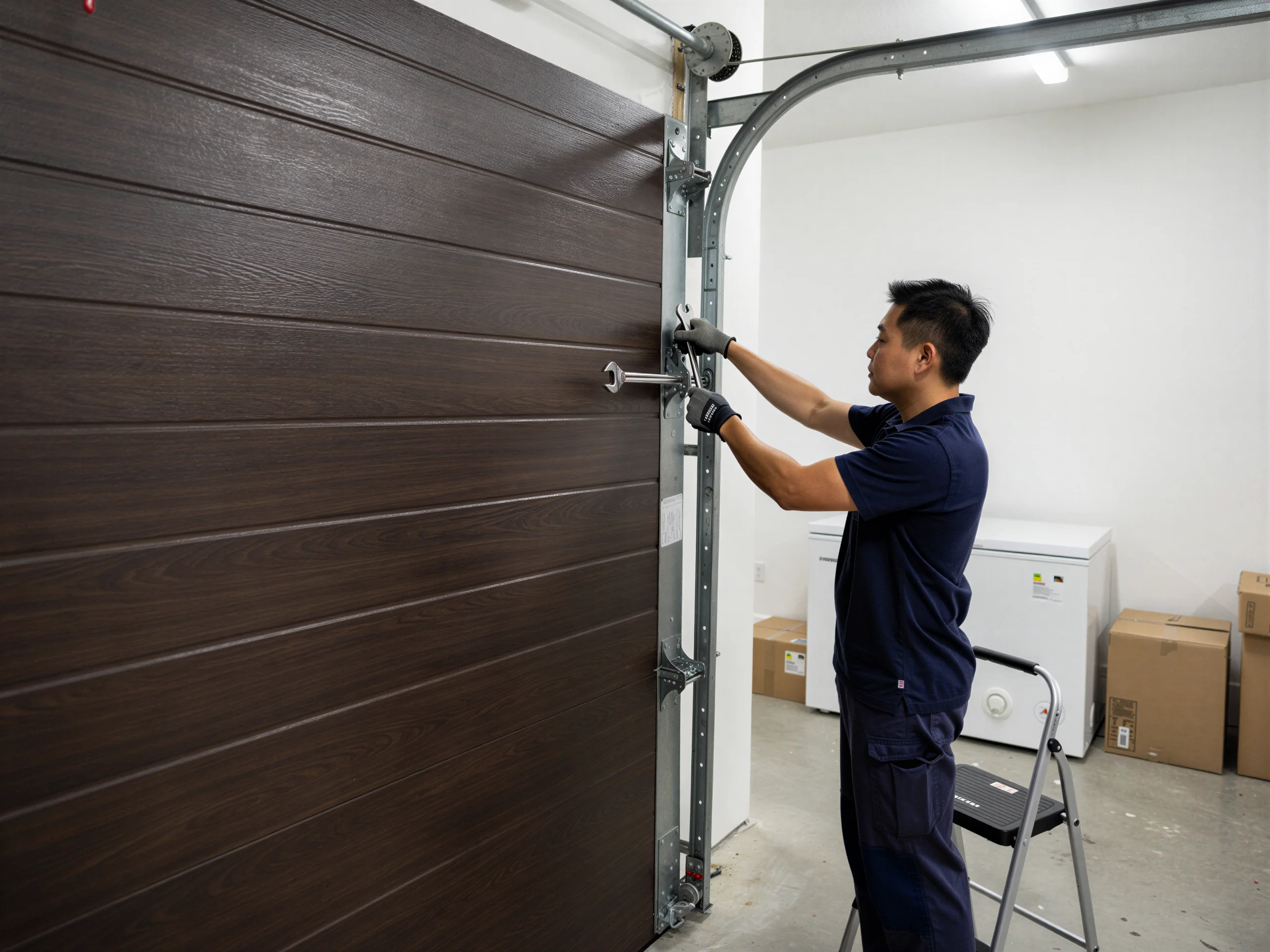
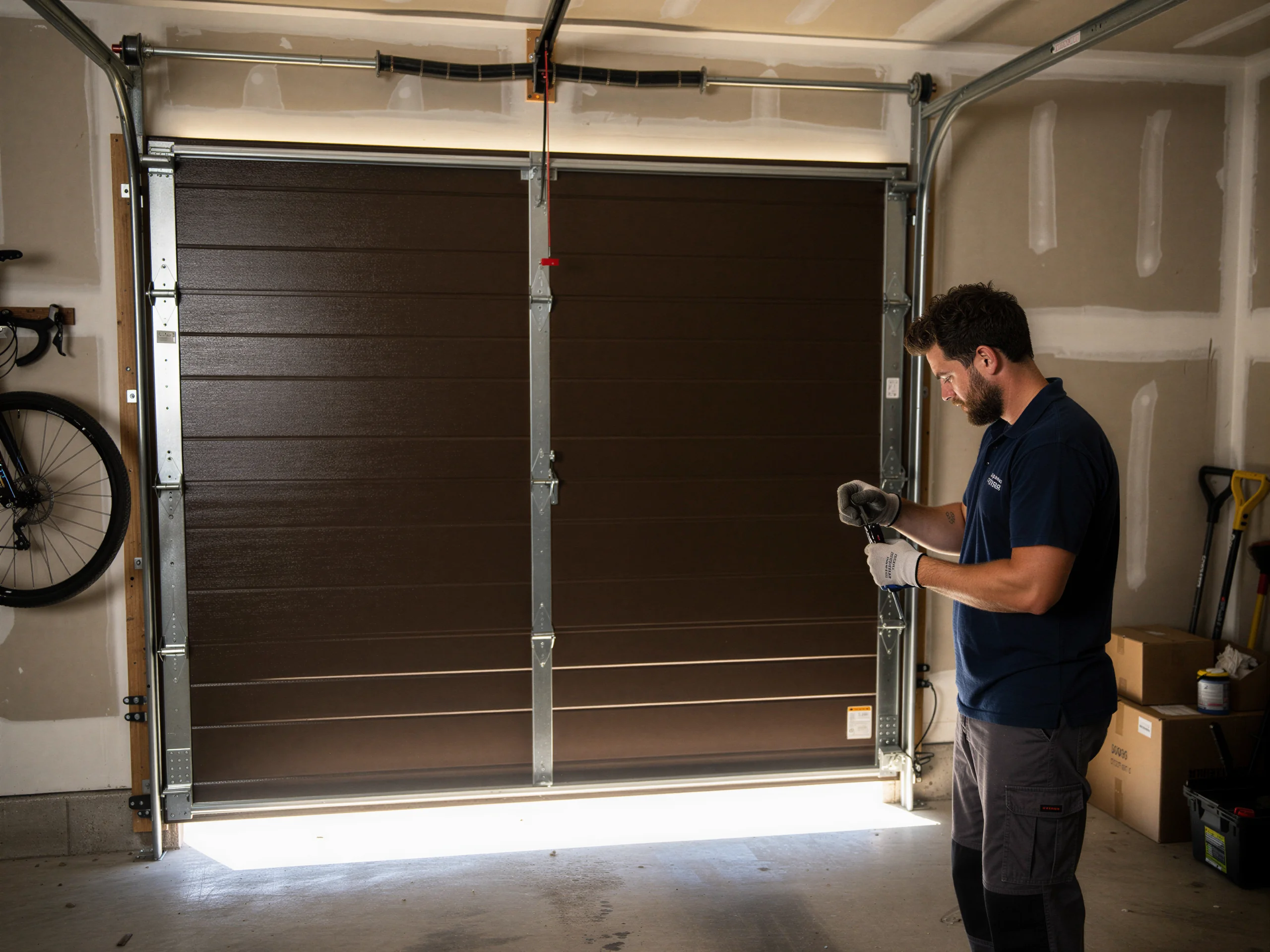
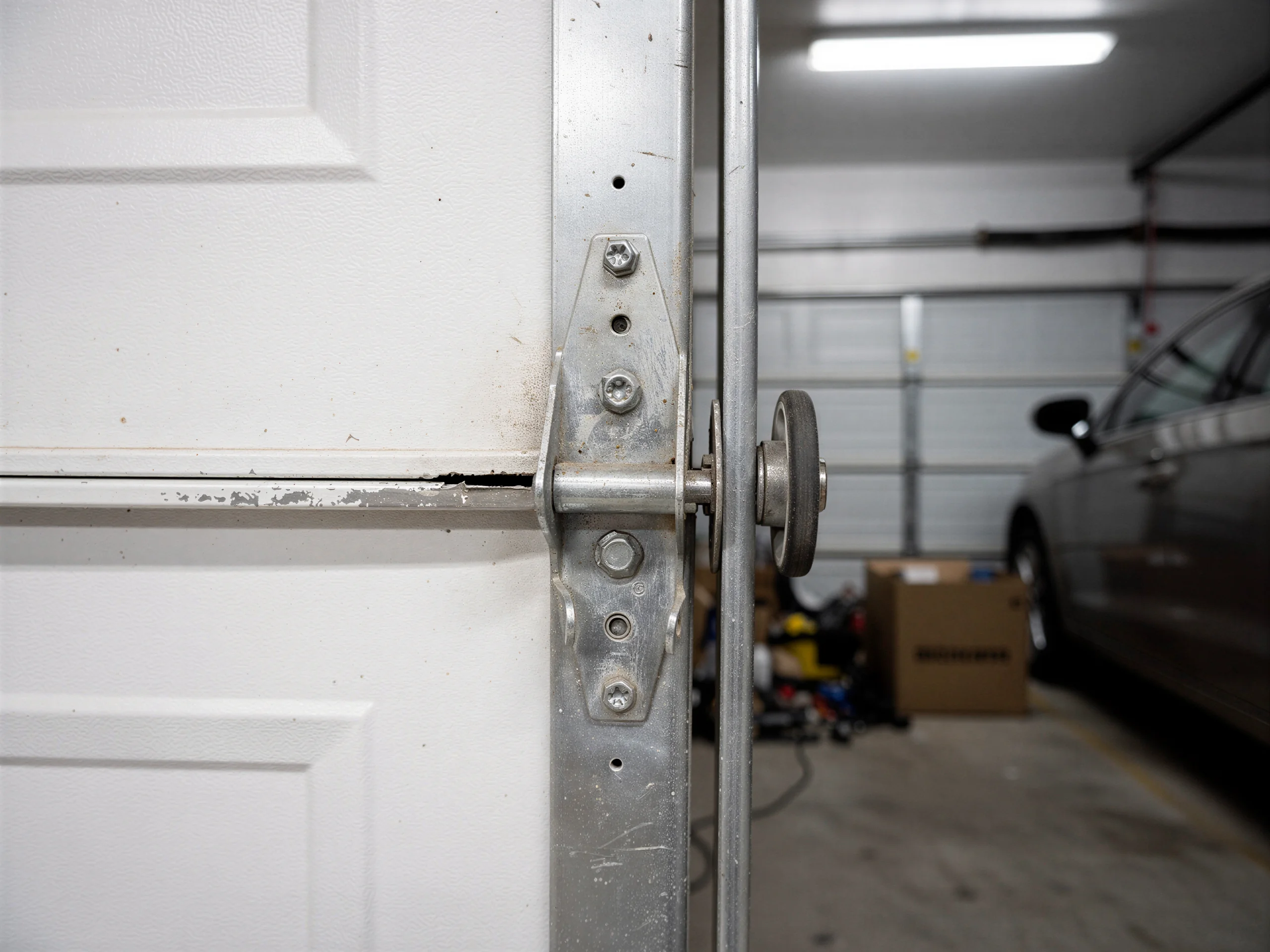
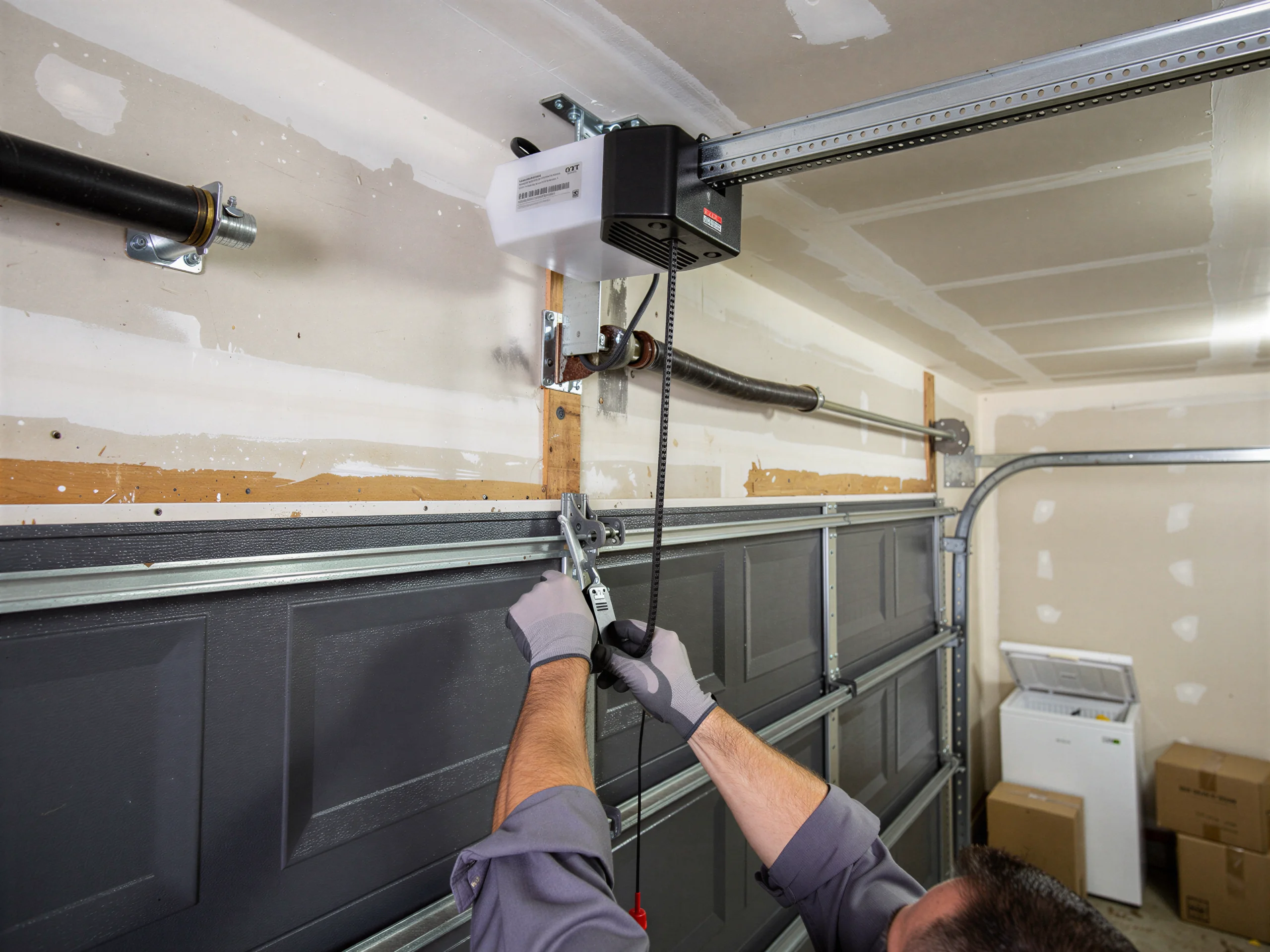
The region sits in a cold-moderate climate band, and Gibsonville's early-2000s doors were built with the insulation and weatherstripping standards of that era - a step up from the older stock elsewhere in the service area, but still twenty-plus years of expansion and contraction on the same seals and tracks. Temperature swings work on steel the same way everywhere, but a door built in 2002 has gone through roughly two decades fewer freeze-thaw cycles than one built in 1987, which is the broader area's median. That's a real difference in wear, not a cosmetic one.
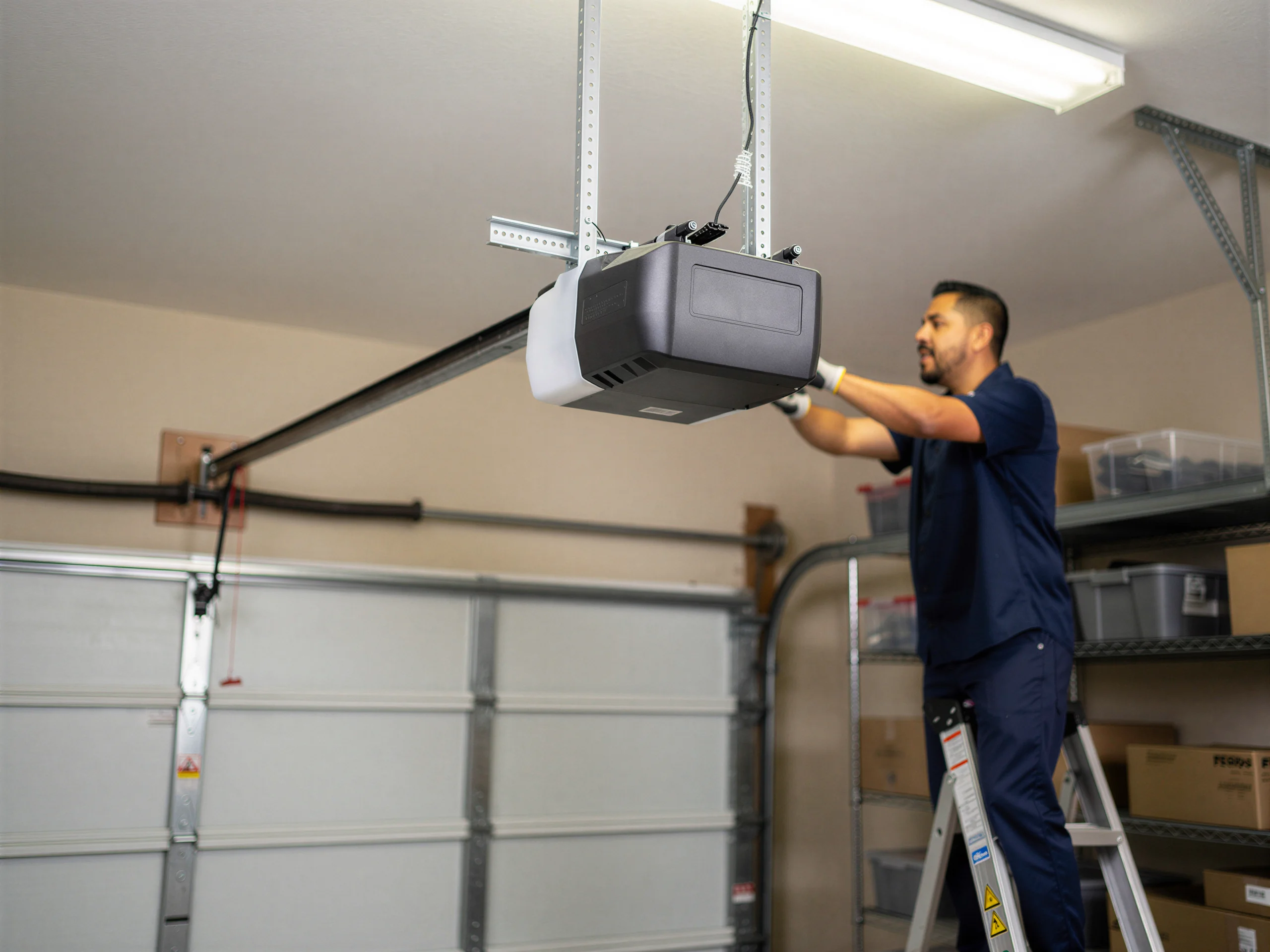
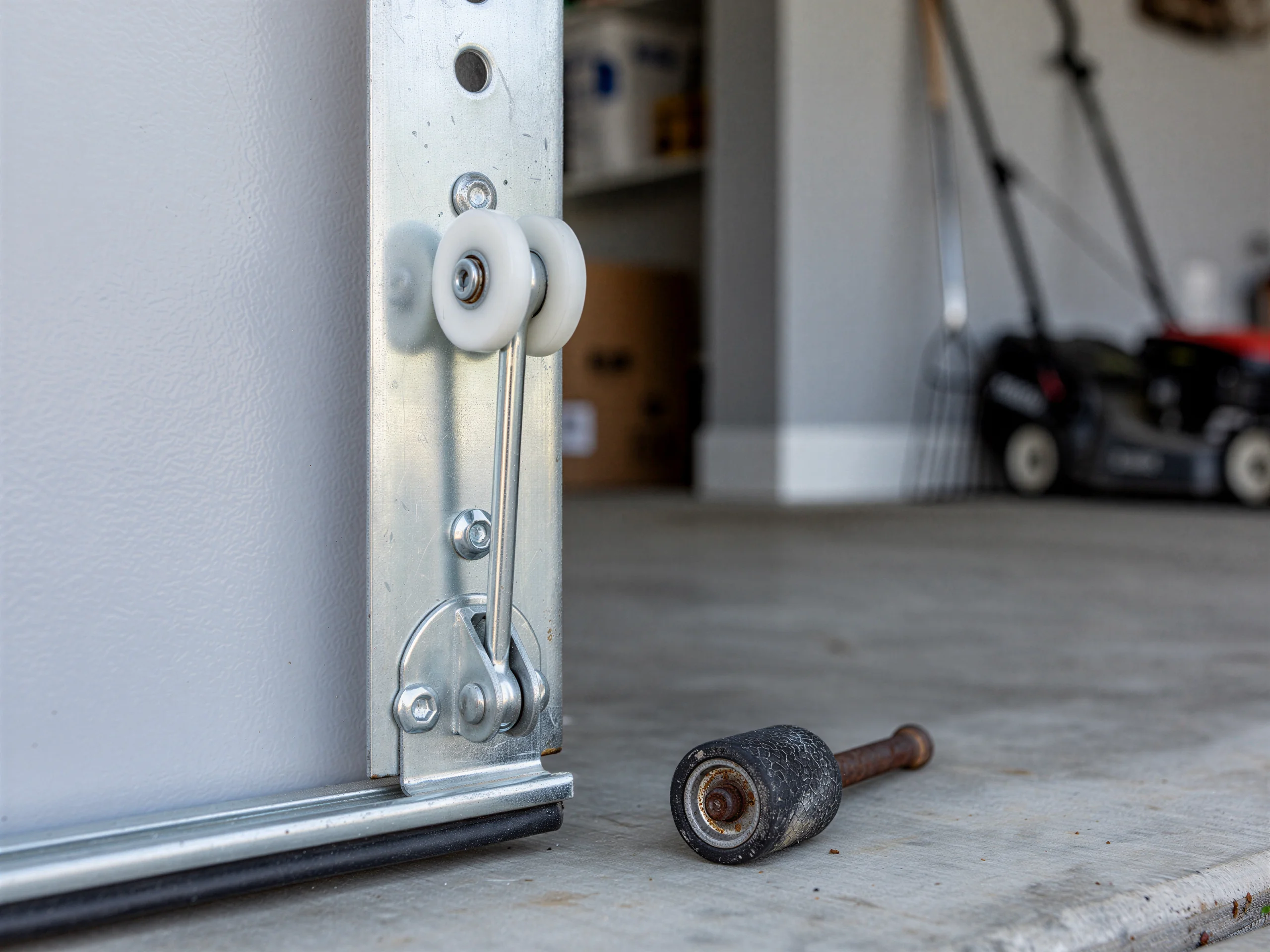
Most of what we see traces back to that: openers with circuit boards rated for a normal service life that's now being reached, torsion springs cycling toward their rated count, and track brackets that have loosened slowly rather than failed suddenly. We don't see much of the side-mounted, hand-me-down hardware that shows up on older homes closer in. What we do see is standard builder-grade equipment from a specific construction window finally asking for attention at roughly the same time across a lot of houses.